Rally training takes place on surfaces with very different characteristics. Loose gravel, sealed tarmac and prepared winter venues each place different demands on the instructor, the car and the management of the site. None is automatically the right starting point for every learner. Your objective, experience and access to suitable supervision are more useful selection criteria than a general ranking of difficulty.
Begin by establishing what the provider actually means by its surface description. A gravel venue might be a maintained training area, a private road network or a purpose-built loop. A tarmac course might use a dedicated facility or a temporary layout. Ask about the exact venue and the permissions under which the activity operates.
Gravel: ask about change
Loose surfaces can change throughout a session as material moves, weather develops and vehicles repeat an exercise. Dust, standing water, ruts and displaced stones are operational issues, not simply part of the atmosphere. A provider should explain how the course is inspected, how spacing is managed and what triggers a pause or change of plan.
Do not infer a safe training layout from open scenery. Boundaries, vehicle movements, recovery arrangements and separation from people all matter. Ask whether the day uses a controlled training area and how access is restricted. If a session includes roads, establish their legal status and what permissions or closures apply.
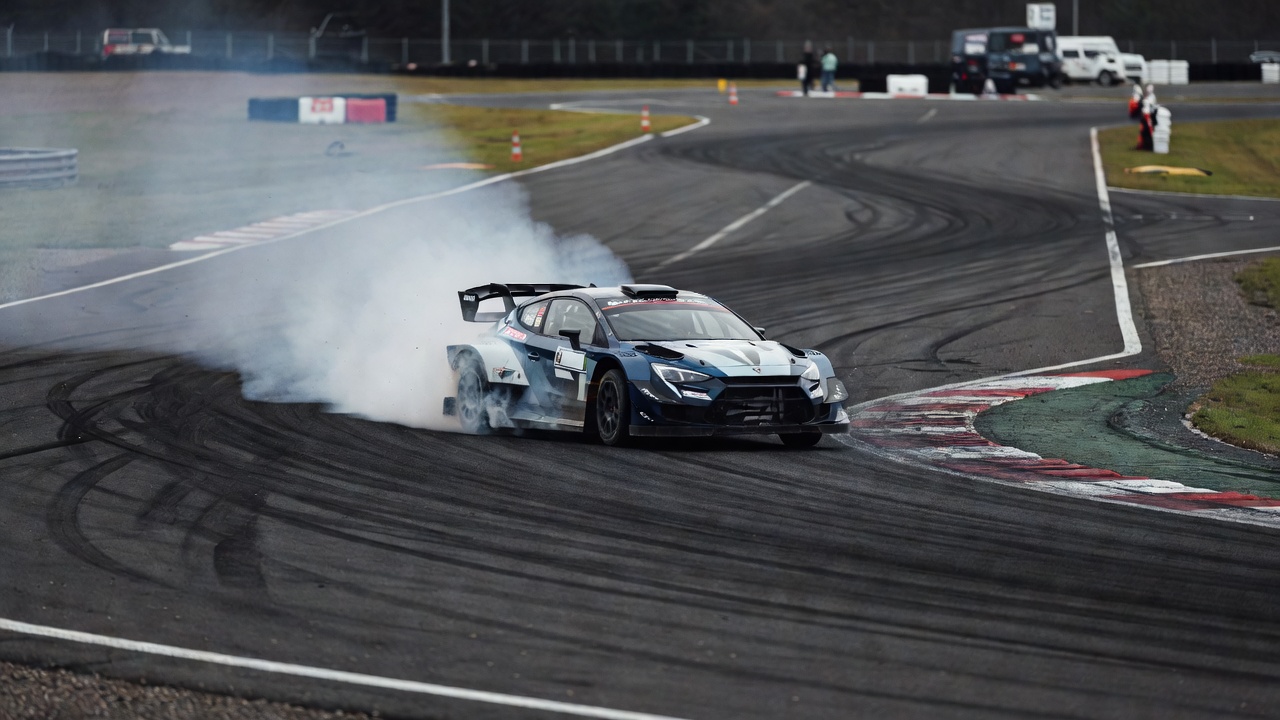
Tarmac: ask about the layout
A sealed surface does not make a session equivalent to ordinary road driving. The instructor still needs a suitable exercise area, a clear communication system and a way to control access. Surface contamination, drainage, temperature and tyre condition remain relevant to the provider’s planning.
Some learners choose tarmac tuition because it matches a later interest in sealed-surface events. That is a reasonable objective, but the academy should still assess the learner’s starting point. Previous track experience, karting or road mileage may inform the conversation without proving readiness for a particular rally exercise.
Snow and ice: ask about contingencies
Winter courses are particularly dependent on suitable conditions. A booking in a cold region does not guarantee that a particular exercise area will be available. Ask what happens if temperatures rise, snowfall disrupts access or an ice venue cannot open. The answer should distinguish postponement, an alternative programme and cancellation.
Also check equipment and clothing requirements, transport arrangements and the location of warm shelter. If driving takes place on a frozen lake, ask the operator about its site-specific assessment and access controls. Do not treat an attractive winter setting as evidence that the surface has been assessed for use.
| Environment | Ask the academy | Confirm in writing |
|---|---|---|
| Gravel | How are dust, wear and changing conditions managed? | Venue, supervision and interruption policy. |
| Tarmac | How is the training area separated from other users? | Layout type, access controls and equipment. |
| Snow or ice | Who decides whether conditions are suitable? | Weather alternatives, travel implications and refunds. |
Use real events as context, not templates
Rally Finland, Rally Sweden and Rallye Monte-Carlo illustrate how varied rally environments can be. Their competition settings, crews and operating arrangements are not a specification for a beginner’s training day. Spectator footage also omits much of the organisation that makes an event possible.
Likewise, the existence of an established motorsport venue such as Silverstone or Circuit de Lohéac does not tell you which programme is currently available, who operates it or whether it fits your objective. Check the named provider, the actual location and the current course description independently.
Plan the practical details
Confirm the meeting point rather than navigating to a general estate or circuit entrance. Ask about parking, toilets, food, accessibility and whether spectators can attend. For remote sites, establish how transport delays and weather-related access problems are handled. These details affect whether you arrive ready to learn.
Finally, keep your expectations specific. You are booking supervised instruction in a particular environment on a particular date, not guaranteed mastery of an entire surface category. Ask the instructor what your observations mean, which limitations remain and whether further tuition on the same surface would be more useful than immediately moving elsewhere.